Source Anti Bacterial Baseball Socks for Sports, Daily Life, and Yoga
Compare 30 listings for anti bacterial baseball socks featuring cotton and conductive fiber materials. Buyers can evaluate customization options, sizes, and packing details from suppliers in China for various uses.
Key considerations
Products List




Comprehensive Sourcing Guide
Strategic Sourcing Guide for Anti-Bacterial Baseball Socks
Understanding the Technical Specifications of Baseball Socks
When sourcing anti-bacterial baseball socks, buyers must first establish a clear understanding of the technical specifications that define product performance. The core functionality of these socks relies heavily on the material composition and the specific manufacturing processes employed. Based on available industry data, the standard material composition for this category often includes a blend of cotton, conductive fibers, and spandex. This combination is critical for balancing comfort, durability, and the specific functional requirements of athletic wear. The presence of conductive fibers suggests a focus on moisture management and potentially static control, which are vital for athletes engaged in high-intensity activities like baseball.
The structural integrity of the sock is determined by its knitting technology. Most reliable suppliers utilize advanced knitting techniques to ensure the fabric maintains its shape and elasticity during rigorous movement. The elasticity is typically described as medium, providing a secure fit without restricting blood flow or causing discomfort during long innings. In terms of thickness, the market standard for baseball socks often falls into the "normal" category, offering a balance between cushioning and breathability. However, buyers should verify the exact thickness specifications for their specific needs, as some variations may exist for different playing conditions or player preferences.
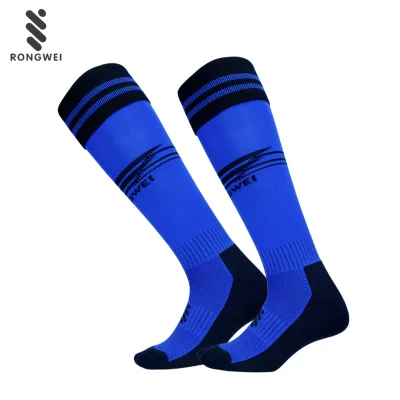
The height of the sock is another critical specification. While the data indicates the availability of ankle, crew, and compression styles, baseball players often prefer crew or mid-calf lengths to provide adequate protection against dirt, grass, and abrasions from sliding. The product models observed in the market, such as C136249, C16243, and YC-0009, represent various configurations that may cater to these specific height and style requirements. It is essential to confirm whether the supplier offers the specific height (Low, Middle, or High) required for the intended use case. Additionally, the size range typically includes standard adult sizing (M, L), but buyers should ensure the supplier can accommodate the full spectrum of sizes required for their team or retail inventory.
Compliance and Certification Verification Protocols
Ensuring that anti-bacterial baseball socks meet safety and quality standards is a paramount concern for B2B buyers. While the product attributes list features such as "Anti-Bacterial," "Breathable," and "Eco-Friendly," these claims must be substantiated through rigorous verification. The term "Anti-Bacterial" implies that the fabric has been treated or engineered to inhibit the growth of bacteria, which is crucial for maintaining hygiene during extended wear. Buyers should request specific test reports that validate these claims, as the presence of such features does not automatically guarantee compliance with international safety standards.
In the realm of certifications, the industry often references standards such as OEKO-TEX, GOTS, and ISO 9001. Although these are not explicitly confirmed in the provided product data, they represent the benchmarks that serious buyers should look for. OEKO-TEX certification, for instance, ensures that the textile products are free from harmful substances, which is particularly important for items in direct contact with the skin. GOTS (Global Organic Textile Standard) would be relevant if the cotton used is claimed to be organic, ensuring sustainable and ethical sourcing practices. ISO 9001 certification indicates that the supplier has a robust quality management system in place, which is a strong indicator of consistent product quality.
Buyers must approach certification claims with a critical eye. The presence of a "Customized Logo" or "Print Available" attribute suggests that the supplier offers branding services, but this should not distract from the need to verify the underlying material safety. When evaluating a potential supplier, request documentation that proves the anti-bacterial treatment meets recognized standards. If a supplier cannot provide test results or certification documents, it is advisable to proceed with caution. The absence of specific certification data in the initial product listing does not mean the product is non-compliant, but it does place the burden of verification on the buyer.
Cost Drivers and Pricing Dynamics in the Market
The pricing of anti-bacterial baseball socks is influenced by a complex interplay of factors, including material costs, production complexity, and order volume. The observed price range in the market spans from $0.10 to $20.00 USD, a wide spectrum that reflects the diversity of product quality and customization levels. The lower end of this range typically corresponds to basic, non-customized socks with standard materials, while the higher end often includes premium blends, advanced anti-bacterial treatments, and extensive customization options.
Order Volume is a significant driver of cost. The Minimum Order Quantity (MOQ) ranges from 1 to 1500 units, indicating that suppliers are flexible but often offer better unit pricing for larger orders. For buyers looking to establish a long-term supply chain, negotiating MOQs is a key strategy. Suppliers may offer tiered pricing structures where the cost per unit decreases as the order volume increases. Understanding the relationship between MOQ and price is essential for budget planning. Buyers should also consider the packaging requirements, as options like "1pr/Pack" or "10pairs/Big Bag" can impact the overall logistics cost and the final price point.
Customization is another major cost factor. The availability of "Customized Logo or Print" and "Customization" services adds value but also increases the production cost. The complexity of the customization, such as the number of colors used in the logo or the specific printing technique required, will influence the final price. Additionally, the origin of the product plays a role in pricing. Products originating from China, specifically regions like Guangdong and Nanjing, benefit from established manufacturing ecosystems, which can help keep costs competitive. However, buyers should factor in shipping costs and lead times, which can vary based on the supplier's location and the chosen shipping method.
Typical Applications and Usage Scenarios
Anti-bacterial baseball socks are designed to meet the demands of various athletic and daily life scenarios. The primary application is, of course, in baseball, where the socks provide essential protection and comfort. The "Sporty" feature highlighted in the product attributes makes them suitable for high-intensity games, while the "Breathable" and "Anti-Foul" characteristics ensure that players remain comfortable even during long matches. The "Disposable" attribute mentioned in some product listings suggests a specific niche for single-use scenarios, such as team events or promotional giveaways, where hygiene is a top priority.
Beyond baseball, these socks are versatile enough for other sports and daily activities. The "Use: Daily Life and Sports" attribute indicates that they are suitable for general athletic wear, including running, gym workouts, and casual sports. The "Four Seasons" and "Spring / Autumn" seasonality attributes suggest that the socks are designed to perform well in a range of weather conditions, making them a year-round option for athletes. The "Unisex" gender classification further expands their market potential, allowing them to be used by players of all ages and genders.
The specific design features, such as the "Compression" style and "Crew" length, cater to different functional needs. Compression socks are often used for recovery and to improve blood circulation, while crew socks provide the necessary coverage for baseball players. The "Eco-Friendly" and "Sustainable" characteristics appeal to environmentally conscious consumers and organizations that prioritize green procurement. Buyers should consider the specific usage scenarios of their target market when selecting the appropriate style and features. For example, a team looking for durable, long-lasting socks for regular practice may prioritize the "Cotton/conductive fiber/spandex" blend, while a promotional event might focus on the "Disposable" or "Customized Logo" options.
Supplier Evaluation and Selection Criteria
Selecting the right supplier is a critical step in the sourcing process. Buyers should evaluate potential suppliers based on several key criteria, including their production capabilities, customization options, and reliability. The "Supply Type: OEM" attribute indicates that suppliers are capable of offering Original Equipment Manufacturing services, which is essential for buyers looking to create their own branded products. The availability of "Sampling Time: 7 - 15 Days" is a crucial metric for evaluating a supplier's responsiveness and efficiency. A shorter sampling time can significantly reduce the time-to-market for new products.
When evaluating suppliers, buyers should also consider the "prod_packing" and "prod_standard" attributes. The variety of packaging options, such as "Carton/Plastic Bag" or "Sea Carton," allows buyers to choose the most suitable packaging for their logistics needs. The "Standard: Cotton/conductive fiber/spandex" and "Standard: on request" attributes highlight the flexibility of suppliers in meeting specific material requirements. Buyers should verify that the supplier can consistently produce socks that meet their quality standards and material specifications.
The "prod_origin" attribute, which lists locations like China, Guangdong, and Nanjing, provides insight into the supplier's geographic base. While these regions are known for their manufacturing capabilities, buyers should also consider the logistical implications of sourcing from these locations. Lead times, shipping costs, and potential supply chain disruptions should be factored into the decision-making process. Additionally, the "Feature: Anti-Bacterial, Breathable, Sustainable, Anti-Pollu" attributes suggest that suppliers are increasingly focusing on sustainability and hygiene, which are growing trends in the textile industry.
Quality Control and Long-Term Procurement Strategies
Maintaining high quality in anti-bacterial baseball socks requires a robust quality control (QC) strategy. Buyers should implement a multi-stage QC process that includes pre-production checks, in-process inspections, and final product testing. The "Feature: Anti-Bacterial" and "Breathable" attributes must be verified through independent testing to ensure that the claims are accurate. Buyers should request sample batches for testing before committing to large orders. This helps to identify any potential issues with the anti-bacterial treatment or the overall quality of the socks.
Long-term procurement strategies should focus on building strong relationships with reliable suppliers. Consistency in product quality, timely delivery, and effective communication are key factors in maintaining a successful supply chain. Buyers should consider the "Supply Type: OEM" capability of suppliers, as this allows for greater flexibility in adapting to changing market demands. The "Customization" and "Logo" options provide opportunities for brand differentiation, which can be a competitive advantage in the market.
Buyers should also monitor the "prod_model" variations, such as C136249, C16243, and YC-0009, to ensure that the supplier can produce the specific models required. The ability to switch between different models or styles without significant disruption is a sign of a flexible and capable supplier. Additionally, the "Thickness: Normal" and "Elasticity: Medium Elasticity" specifications should be consistently maintained across all production runs to ensure product reliability.
Finally, buyers should stay informed about industry trends and standards. The "Eco-Friendly" and "Sustainable" attributes indicate a shift towards more environmentally responsible manufacturing practices. Buyers who prioritize sustainability can leverage these trends to enhance their brand image and appeal to conscious consumers. By implementing a comprehensive quality control strategy and fostering strong supplier relationships, buyers can ensure a steady supply of high-quality anti-bacterial baseball socks that meet their specific needs and market demands.
Comparison of Key Product Attributes
| Attribute | Standard Option | Customizable Option | Notes |
|---|---|---|---|
| Material | Cotton/Conductive Fiber/Spandex | On Request | Verify blend ratios for performance. |
| Size | M, L | Custom Sizes | Confirm size charts for accuracy. |
| Height | Low, Middle, High | Custom Height | Crew/Mid-calf preferred for baseball. |
| Packing | 1pr/Pack, 10pairs/Big Bag | Custom Packaging | Affects logistics and retail presentation. |
| Logo | Plain | Customized Logo/Print | MOQ may apply for custom branding. |
| Feature | Anti-Bacterial, Breathable | Eco-Friendly, Disposable | Verify specific test results for claims. |
| Origin | China (Guangdong, Nanjing) | N/A | Consider shipping lead times. |
This table summarizes the key attributes that buyers should evaluate when sourcing anti-bacterial baseball socks. The ability to customize these attributes allows buyers to tailor the product to their specific requirements, but it also necessitates careful verification of quality and compliance. By focusing on these core elements, buyers can make informed decisions that align with their strategic goals and market needs.
FAQs
Can I get customized logos on these anti bacterial baseball socks?
Yes, customized logos or prints are available for these socks. This customization option allows buyers to brand the products with their own designs, though specific printing techniques and costs may vary based on the order volume and design complexity.
What materials are used to make these anti bacterial baseball socks?
The socks are typically made from a blend of cotton, conductive fiber, and spandex. This material combination ensures durability, comfort, and the necessary elasticity for athletic activities while providing the anti-bacterial properties required for hygiene.
How long does sampling take for these anti bacterial baseball socks?
The sampling time ranges from 7 to 15 days for these products. This timeframe allows suppliers to prepare custom samples based on buyer specifications, ensuring the final product meets the required quality and design standards before mass production begins.
What is the minimum order quantity for anti bacterial baseball socks?
The minimum order quantity ranges from 1 to 1500 units depending on the supplier and product model. Buyers should check specific listings for exact MOQs, as lower quantities may be available for sample orders while bulk orders often require higher volumes.
Which sizes are available for these anti bacterial baseball socks?
Standard sizes including M and L are available for these socks. The products are designed for adults and come in various styles such as ankle, crew, and compression, ensuring a fit suitable for different athletic needs and preferences.
Can these anti bacterial baseball socks be used for daily life sports?
Yes, these socks are suitable for both daily life and sports activities. Their features include breathability, anti-bacterial properties, and eco-friendly materials, making them versatile for various athletic events and casual wear scenarios throughout the year.